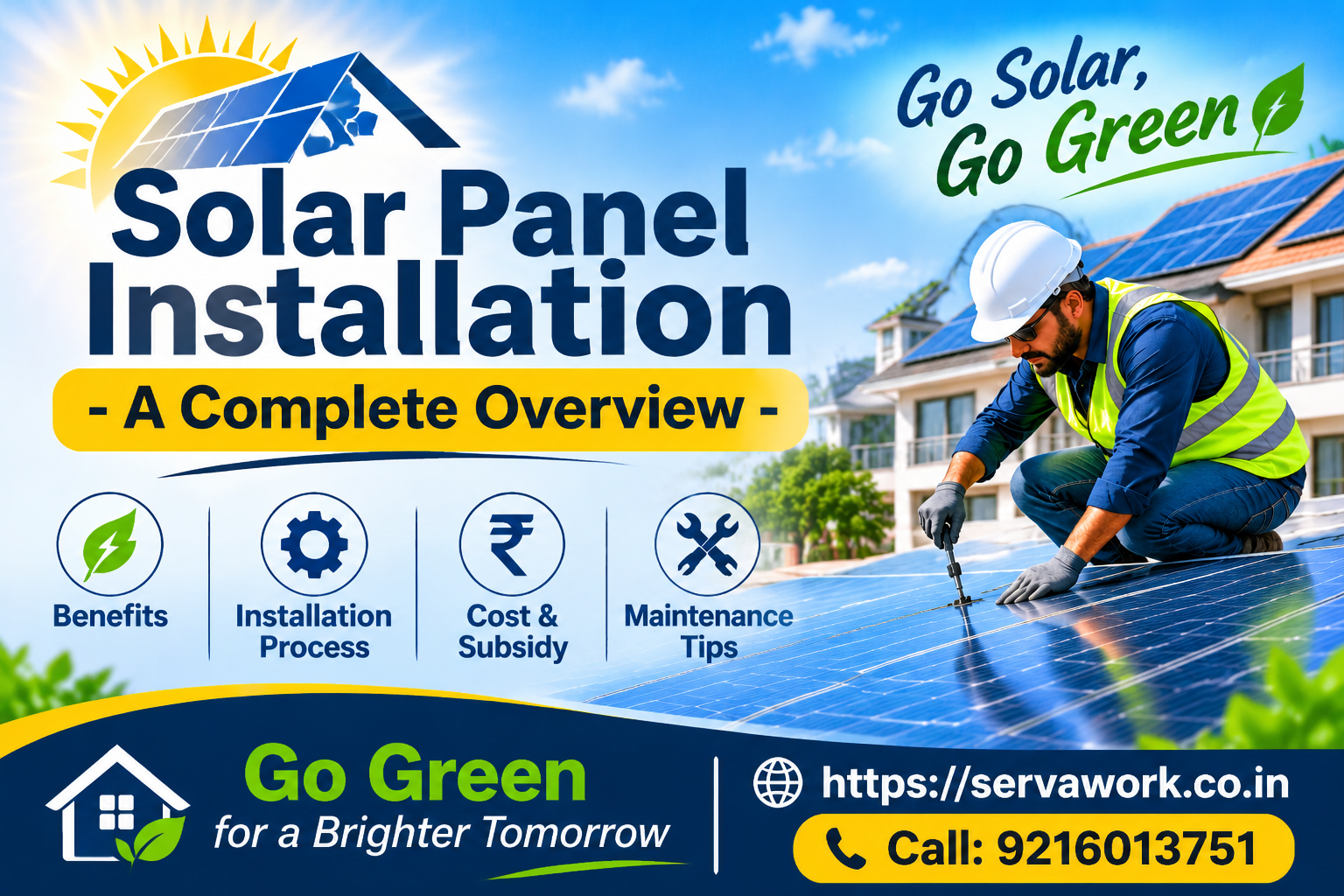
Solar Panel Installation - A Complete Overview
A solar panel is a device that converts solar energy into electricity. It performs this function by using photovoltaic (PV) cells. These PV cells are made of silicon and they produce electrical energy when exposed to sunlight.
Solar panels are generally used in residential rooftops, commercial buildings, & open lands to produce clean & renewable energy. Solar panels help reduce electricity bills. A solar panel works by following this process -
The solar cells absorb sunlight.
Photovoltaic cells convert sunlight into the direct current (DC).
A solar inverter converts direct current (DC) into alternating current (AC) which most household appliances use.
This electricity powers your home and business & reduces dependence on grid electricity.
What is Solar Panel Installation?
Solar panel installation is the process of installing solar panels on the rooftop of the buildings and suitable locations to convert sunlight into usable electricity. This process includes -
Assessing energy requirements.
Selecting the right solar panels.
Installing mounting structures.
Connecting solar panels to inverters.
Testing the entire system for safe and efficient functionality.
Solar installation also needs determining proper panel orientation, tilt angle, correct placement to maximize the exposure of sunlight for electricity generation for the whole day. Solar installers also have to assess the strength of the roof, tree shading from nearby buildings, inverter capability, & electrical safety before installing the system.
Additionally, choose between hybrid, on-grid, & off-grid depends on electricity consumption, grid availability, & backup power requirements. These factors also ensure an efficient energy generation & long-term performance of the solar panels.
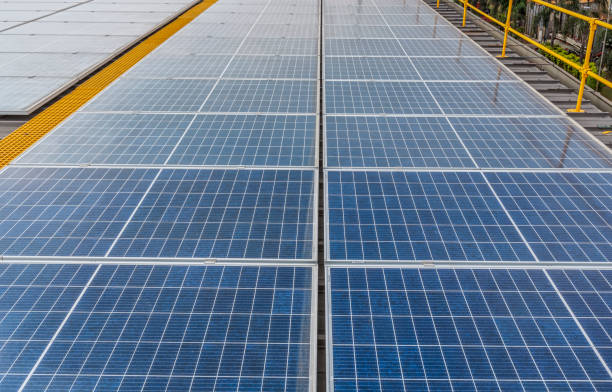
Commercial VS Residential Solar Installation -
Commercial & residential solar installation differs in system capacity, energy requirements, installation complexity, & overall costs. Residential solar systems are designed to handle householding electricity needs where commercial systems can generate electricity for offices, shops, factories, & other business premises.
Residential solar panels power householding home appliances, lighting & cooling systems, where commercial solar panels support office equipment, machinery, & business operations.
Residential solar panels are usually smaller, based on household consumption. Commercial solar panels are larger and based on business demands.
Residential solar panels are installed on residential rooftops and commercial solar panels are installed on industrial buildings, parking structures, and open land.
The energy consumption of residential panels is lower and more active in morning and evening hours and commercial solar panels have more energy consumption and they are most active during business hours.
The installation cost of residential panels are generally lower but commercial solar panels have more budget due to high electricity demand and capacity.
The installation complexity of residential solar panels is comparatively low but the same complexity for the commercial solar panels is usually high because of equipment requirements.
Residential solar panels can reduce monthly electricity bills for them but commercial solar panels can reduce operating expenses and improve energy cost in the long term.
Residential solar panels are ideal for those homeowners, who look forward to reducing their household electricity expenses. Commercial solar installation is useful for those businesses who manage high electricity consumption and want to improve energy efficiency. In both cases the success of solar panel installation depends on electricity use, installation space, budget and local grid regulation.
Step-by-Step Solar Panel Installation Process -
Solar panel installation consists of many important steps from assessing the suitability of your property to connecting it with the electrical grid to meet your electricity requirements. Each & every stage is important to the long-term performance of the solar investment.
Step 1 - Assess Your Energy Requirements
The first and very important step is assessing your average monthly electricity consumption in KWs by reviewing previous electricity bills. It helps in evaluating appropriate solar system capacity.
Step 2 - Inspect the Roof and Installation Site
Solar panel workers have to assess the space of the roof, structural strength, orientation, tilt, & potential shading from nearby trees and buildings. These factors determine the most suitable location for getting the maximum sunlight exposure for solar panels.
Step 3 - Choose the Right Solar Panel System
Now, you can select a solar system based on your electricity needs, budget and power backup requirements. There are many options like - on grid systems connected to electricity grids, off grid systems with battery, & hybrid systems to mix grid connectivity with electricity storage.
Step 4 - Install the Mounting Structure
A supporting mounting structure is fixed to the ground or roof to support solar panels. Proper position, climate resistance, & secure fastening is essential with other environmental conditions.
Step 5 - Mount the Solar Panels
Then solar panels are attached to the mounting structure at a suitable angle and orientation. Installers arrange the panels to minimize shading and ensure the proper coverage of the available installation area.
Step 6 - Connect the Inverter and Electrical Components
The solar panels generate DC electricity which is later converted to AC electricity. For this purpose, installers also connect the essential wiring, devices, earthing, and other electrical components for proper safety.
Step 7 - Complete Testing and System Activation
In the last, qualified professionals test the electrical connections, inverter performance, safety precautions, & overall system functionality. The utility approvals, metering arrangements, & grid connection procedures should be completed for grid-connected installations.
It is necessary to choose a qualified solar panel installation company who follows applicable electrical safety protocols and manufacturer guidelines. Proper solar system design & installation is necessary to improve energy generation, & support long-term performance.
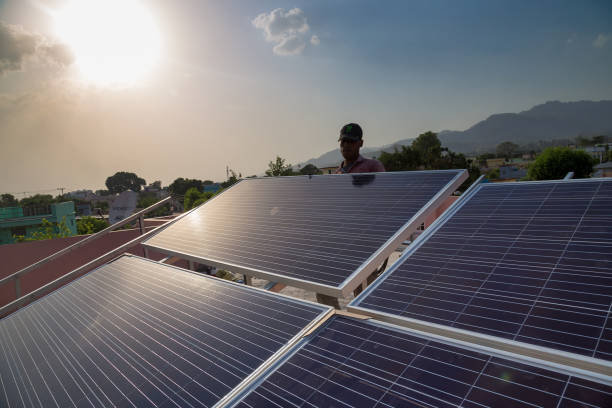
Benefits of Installing Solar Panels -
Solar panels are a practical choice for homes and businesses because they generate clean electricity from sunlight. They reduce dependence on traditional power sources and reduce costs over the long term. With proper installation, the solar panels are a reliable and cost-effective energy device.
Solar panels generate their own electricity & reduce monthly power costs.
Can deliver regular & continuous power savings for the years with proper maintenance.
Reduce carbon emission and produce renewable electricity.
Suitable for both homes & businesses.
They require periodic cleaning, & routine inspection to maintain performance.
Eligible residential installations can also get government subsidies & schemes.
Overall, solar panel installation is a smart choice for property owners who look forward to reducing electricity costs, adopting sustainable energy practices, & improving long-term energy efficiency.
Types of Solar Panel Systems -
Solar panel systems are always available in different types based on electricity needs, grid connectivity, and the purpose for which they are used. Here are the main types designed for fulfilling electricity requirements -
On-Grid Solar Panel System -
This solar system is connected to the local electricity grid. It collects solar power during the day and exports extra electricity to the grid as per according to the net-metering guidelines & protocols. If your property has a reliable grid connection, this solar system is a perfect choice.
Off-Grid Solar Panel System -
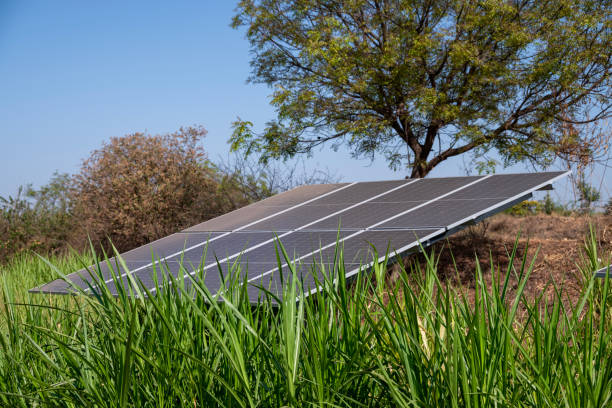
This solar system is independent from the electricity grid and uses installed batteries to store sunlight. It is more useful in farms, remote locations, & rural properties where grid electricity is unavailable or very costly.
Hybrid Solar Panel System -
A hybrid solar system is a mix of solar panels, grid connections, & battery storage. It is flexible in storing solar energy during the day, storing extra solar energy for later use, & taking electricity from the grid when needed.
Agricultural Solar Panel System -
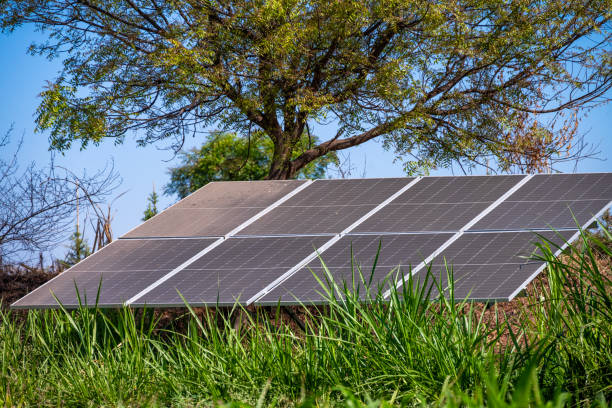
An agricultural solar system is designed to support farming and agricultural activities through solar energy like - operating irrigation pumps, water supply systems, & other necessary equipment. This system can reduce dependence on traditional electricity and diesel generators. They are well-functional with the battery or without battery also.
Commercial and Industrial Solar Panel System -
These solar systems are designed for offices, factories, warehouses, & other commercial establishments. These businesses have higher electricity consumption. These panels can reduce dependency on grid connections and manage rooftop or ground-mounted solar installations.
Solar Panel Installation Cost and Savings -
The cost of installing solar panels depends on system capacity, equipment quality, requirements of customers, and government subsidies. Installing a solar panel needs an initial investment, but it can reduce electricity bills and achieve long-term energy savings. Different factors make it easy for planning a solar installation budget.
What Determines Solar Installation Costs?
The capacity of the system is one of the most important factors because properties with higher electricity consumption need more panels. Other factors include the solar system type, roof condition, mounting structure, battery needs, and installation complexity. Sunlight conditions & daily energy consumption also determine the system size.
Equipment and Installation Expenses -
Hybrid and offgrid systems need batteries which increases the initial investment. Additional expenses can occur due to roof repairing & structural modifications before installation. Choosing reliable solar equipment, professional installation, & correct system capacity can improve performance and reduce maintenance issues over time.
Government Subsidies and Available Incentives -
Government subsidies can reduce the initial investment of eligible residential solar installations in India. Under PM Surya Ghar: Muft Bijli Yojana, eligible residential consumers can get financial assistance for rooftop solar systems. The amount of subsidy and eligibility differ by consumer category, system capacity, & applicable regulations. PM-KUSUM yojana is designed to support solar projects for agricultural purposes.
How to Estimate Your Return on Investment -
To estimate the return of investment (ROI), first you need to calculate how much electricity is generated and how much electricity you can use. Then estimate the resulting annual saving and other maintenance expenses.
A simple calculation is:
Payback Period = Net Solar Installation Cost / Annual Net Savings
Solar Panel Maintenance After Installation -
Proper maintenance after solar panel installation can handle energy production, increase system efficiency, & extend the lifespan of solar equipment. Regular inspections and cleaning prevent dust collection, identify potential issues, & ensure regular performance for residential, commercial & agricultural applications.
It is needed to use clean water and a soft brush to clean solar panels. Cleaning can be done in cooler hours. Avoid abrasive materials for cleaning and never step on the solar panels directly.
It is also needed to perform periodic inspections to identify cracked panels, loose wiring, damaged connectors, corrosion, and other issues which can affect system performance.
Also check the inverter display and monitoring applications for unusual readings and warning indicators. You can take the help of qualified solar technicians to reduce the risk of electric shock and device damage.
Also, keep the solar inverter in a well-ventilated location and ensure that its cooling vents remain unobstructed. For battery storage systems, follow the manufacturer’s guidelines related to temperature, charging, ventilation, & maintenance. Battery inspection and servicing should be done by trained professionals.
Why Hire a Professional Solar Panel Installation Company?
Hiring a professional solar panel installation company helps ensure a safe and successful installation of the solar system, its efficient operation, & long-term performance. From selecting the right system capacity to complete electrical connections & commissioning, experienced installers can manage the entire process themselves.
Installers assess your electricity consumption, available roof space, space condition, & sunlight exposure before installing a solar panel.
Also determine the proper placement, mounting structure, & system capacity to improve energy generation & make the best use of the place.
Qualified professionals follow applicable safety standards & installation requirements, & reduce electrical faults.
Professional solar panel companies install the suitable solar panels, inverters, mounting structures, & other components. They can also explain product warranties, installation warranties, & after-sales support.
A professional installer company can provide guidance on panel cleaning, performance monitoring, routine inspections, routine inspections, and troubleshooting.
If energy production suddenly drops or the inverter displays an error, experienced technicians can identify potential issues and recommend appropriate repairs.
Choosing a qualified and professional solar panel installation service is an important step towards safe installation, dependable energy generation, & long-term value.
To take high-quality and professional solar panel installation services from Serva Work Pro, visit our solar services page for booking or call - 91 9216013751.
Final Thoughts -
Solar panel installation is a first step toward reducing electricity expenses, improving energy efficiency, and adopting renewable energy. Whether you need panels for your home, business or agricultural land, choosing the right system type, finding installation costs, & selecting a reliable installation service provider can make a significant difference in long-term performance.
Before investing and installing a solar panel, you need to evaluate your energy needs, available roof or land space, budget and eligibility for government subsidies. Regular performance monitoring is also necessary for getting the most out of your solar system. With proper planning and suitable equipment, solar energy can become a dependable source of electricity and save money over the years in the long-term.
Frequently Asked Questions -
How long does solar panel installation take?
The time required to install solar panels depends on system capacity, available installation space, roof condition, and approval requirements. For a residential solar panel, around 1-3 days are required.
To avoid unnecessary delays in solar panel installation, choose an experienced solar service professional & confirm the whole approval process.
How many solar panels does a house need?
A small household may need fewer solar panels while a large home with air conditioner, refrigerators, water heaters, & other high-electricity consuming appliances may need a large-scale solar system.
According to a general estimate, a home may need 6-8 solar panels for a 2 KW system, 9-12 panels for a 3 KW system, or 15-20 panels for a 5 KW system.
Can solar panels work on cloudy days?
Yes, solar panels can work on cloudy days, but the amount of electricity generated by them is usually low rather than a sunny day. They capture diffused sunlight from the clouds.
If you need regular electricity generation during cloudy days, you need a correctly designed solar system for this purpose.
Do solar panels work during a power cut?
Solar panels can definitely work during a power cut but their use depends on the type of solar system installed. Most on-grid solar panels can automatically shut down to stop the flow of electricity into power lines.
An off-grid solar panel can work during a power cut because they are not dependent on the grid connectivity.
How long do solar panels last?
Solar panels can work for 25-30 years for long and much longer with proper maintenance and installation. They can generate usable electricity for the time way beyond their guaranteed warranty although their electricity generation power decreases with passing of the time.
With proper care and maintenance, solar panels can provide decades of renewable energy, and they are a very helpful medium to reduce the dependence on conventional power sources.